Pigeon racing is a sport you win with patience. The first season is for learning, and good results usually come after two or three years. Here is where to start.
1. Join a local club
Races are organised by national racing pigeon federations through local clubs. Your club:
- takes new members,
- issues rings for young pigeons,
- organises basketing and races in the season,
- publishes the race results.
The easiest start is talking to fanciers in the nearest club. They'll tell you when they meet and often help with your first pigeons.
2. Prepare the loft
The loft doesn't have to be big, but it must be:
- dry – damp is the most common cause of disease,
- airy without draughts – fresh air, but no wind on the pigeons,
- light and easy to clean,
- divided into sections for breeders, racers and young birds.
Allow about half a cubic metre per pigeon and don't keep more than the loft can hold.
3. Your first pigeons
You'll find racing pigeons for sale from club members, at online auctions and at shows. To start:
- Buy youngsters or breeding pairs, not expensive stars. Youngsters from a good loft teach you more than one costly pigeon.
- Buy pigeons with a pedigree. Learn to read a pigeon pedigree before you pay.
- Buy from one or two breeders, not single pigeons from many places. It's easier to keep a healthy, even team.
Adult pigeons moved to a new loft often fly back to the old one. Race the youngsters born at your loft.
4. Rings and records
Young pigeons are rung in their first week, while the foot still slips through the ring. Order your rings from the club before the breeding season.
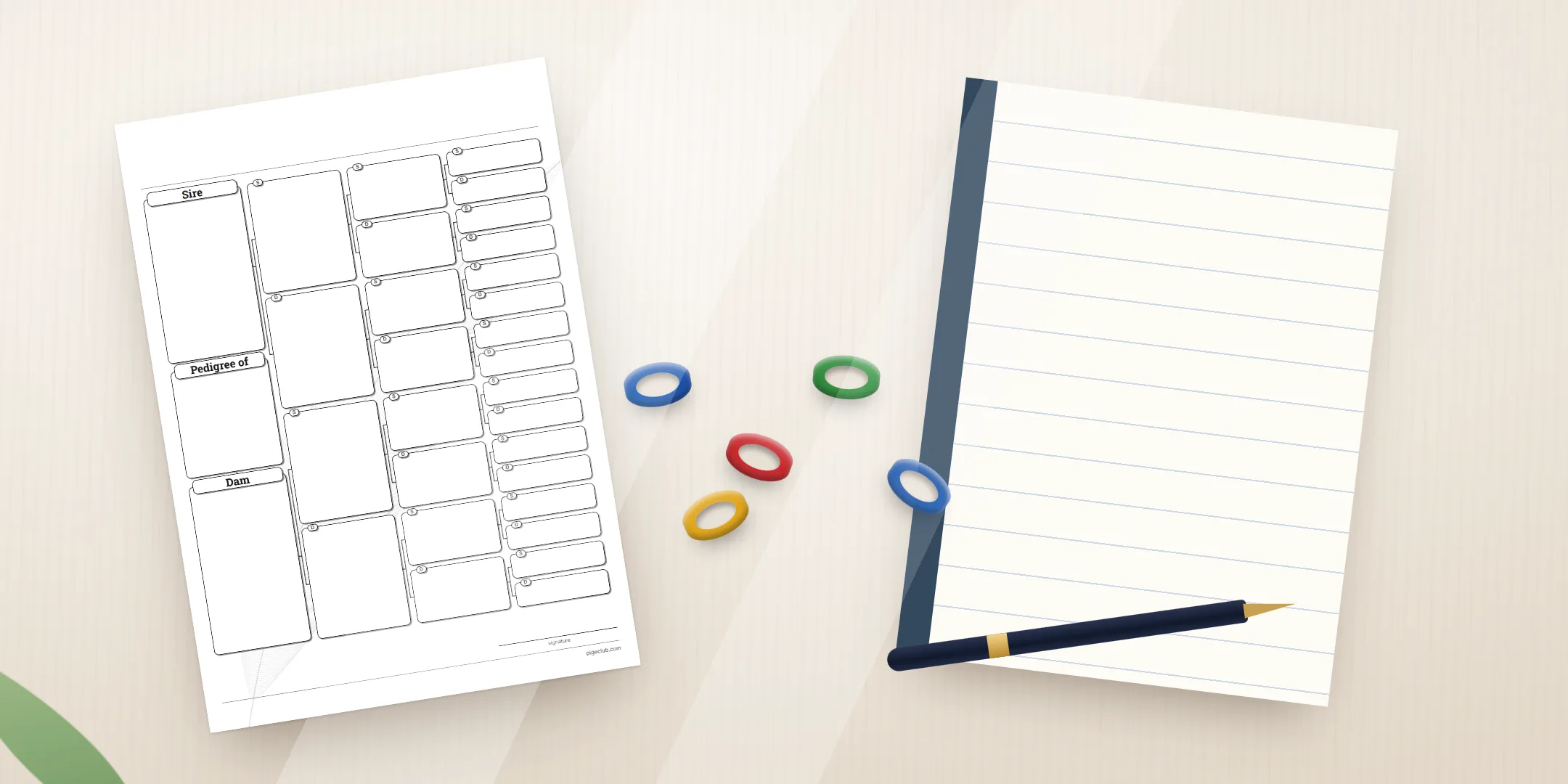
Keep records from day one: ring number, parents, colour, sex. A notebook works, so does a blank pedigree to print, or Pigeclub, where you import a pedigree from a photo and a youngster's pedigree builds itself from its parents.
5. Health
Vaccination, worming and a clean loft are the basics. Most federations require vaccination against paramyxovirus for racing. Ask a vet who knows pigeons and your club about a vaccination plan.
6. The first racing season
Young pigeons learn the way home step by step: first flying around the loft, then tosses from a few and then a dozen or more kilometres. Only then do you enter them in club races. Record every result, because results are how you choose your best breeders.
Want to compete with the best without your own racing loft? Send youngsters to a one loft race. Pigeclub imports Polish one loft race results for you.
Books and YouTube on racing pigeons
- Books. Look for books by fanciers with real results, ideally recent editions. Veterinary care and feeding change over the years.
- YouTube. Videos show what a book can't: loft design, basketing, ringing youngsters. Watch fanciers who share their results.
- People in your club. The best knowledge is still in your club. Experienced fanciers usually like helping newcomers.
Summary
Start with a club, a dry loft and a few pairs with pedigrees. Keep records from the first day. As your loft grows, move them into software so you never retype a pedigree.